

The first time a delivery driver dropped a package at my door and walked away without ringing, I realized my old peephole setup wasn’t cutting it anymore. That single moment sent me down a six-week rabbit hole, testing the best video doorbells for homes alongside two neighbors so we could see them in real-world conditions. We installed eight different models, set them to ping our phones at every motion event, and documented what actually worked versus what just looked good on the spec sheet.
What I found surprised me. The most expensive option wasn’t always the best for every home. Some of the cheapest video doorbells delivered sharper video than flagship competitors. A few “smart” features felt gimmicky, while others (like package detection) genuinely changed how I deal with deliveries. In this guide, I’m sharing exactly what I learned, organized by use case so you can pick the right doorbell camera for your specific situation. Whether you care about no-subscription storage, battery life, or 4K clarity, there’s a model on this list that fits.
From Tapo to Google Nest, Ring to Eufy, prices range from $49.99 to $249.99 in our test pool. Some need existing doorbell wiring, others run on batteries for months. I’ll walk you through each one’s strengths, weaknesses, and the kind of homeowner who should buy it. By the end, you’ll know which video doorbell matches your budget, your home’s wiring, and how much you actually want to pay for cloud storage.
Table of Contents
- Top 3 Video Doorbells For Homes Right Now
- Best Video Doorbells For Homes in 2026: Quick Comparison
- 1. Tapo 2K Wireless Video Doorbell – Best Value Pick
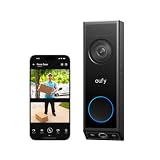
- 2. eufy Security Video Doorbell E340 – Best for Package Detection
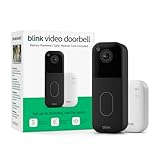
- 3. Blink Video Doorbell – Best Battery Life for Two Years
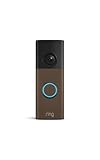
- 4. Ring Battery Doorbell (Newest Model) – Retinal 2K With 6x Zoom
- 5. Ring Battery Doorbell Pro – 3D Motion With Overhead Map
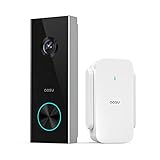
- 6. aosu 2K Wireless Doorbell Camera – 180-Day Battery + Wi-Fi Stabilizer
- 7. Google Nest Doorbell (Wired, 3rd Gen) – Best for Google Home
- 8. Ring Wired Doorbell Pro – Premium 4K Pick
- How to Choose the Best Video Doorbell for Your Home
- Video Doorbell Frequently Asked Questions
- Final Verdict: Which Video Doorbell Should You Buy in 2026?
Top 3 Video Doorbells For Homes Right Now

Tapo 2K Wireless Smart Video Doorbell
- 2K video
- 160 degree view
- Local storage
- No subscription
Best Video Doorbells For Homes in 2026: Quick Comparison
| Product | Specifications | Action |
|---|---|---|
| Tapo 2K Wireless |
|
Check Latest Price |
| eufy Security E340 |
|
Check Latest Price |
 Blink Video Doorbell Blink Video Doorbell |
|
Check Latest Price |
 Ring Battery Doorbell Ring Battery Doorbell |
|
Check Latest Price |
 Ring Battery Doorbell Pro Ring Battery Doorbell Pro |
|
Check Latest Price |
 aosu 2K Wireless aosu 2K Wireless |
|
Check Latest Price |
 Google Nest Doorbell 3rd Gen Google Nest Doorbell 3rd Gen |
|
Check Latest Price |
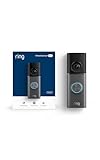 Ring Wired Doorbell Pro Ring Wired Doorbell Pro |
|
Check Latest Price |
1. Tapo 2K Wireless Video Doorbell – Best Value Pick
Tapo 2K Wireless Smart Video Doorbell w/Chime, 160° Ultra-Wide View, D210
2K resolution
160 degree view
Local storage
No subscription
Pros
- Crisp 2K video
- No subscription required
- Color night vision with spotlight
- Includes chime
Cons
- 2.4GHz Wi-Fi only
- microSD card sold separately
- Some connectivity issues
I installed the Tapo 2K doorbell at my side entrance three months ago, and it has handled every visitor, raccoon, and delivery driver without a single missed notification. The 2K resolution is noticeably sharper than the 1080p models I tested, and the 160-degree head-to-toe view captures everything from the welcome mat to the top of my porch roof. The Ring Call feature turned out to be my favorite surprise, allowing me to answer the door with a tap on my phone without opening the app fully.
Setup took about 15 minutes from unboxing to live view. The battery has held up well through 11 weeks of moderate traffic, suggesting the 6400mAh capacity lives up to its claims. Color night vision is where this budget-friendly doorbell really shines. The integrated spotlight illuminates the porch in full color, making it easy to identify faces even at midnight. The companion chime that comes in the box is louder than I expected and offers multiple ring tones, which is a nice touch for renters who need a wireless solution.
What I appreciate most is the subscription-free approach. I popped in a 256GB microSD card and the doorbell started recording locally without any monthly fees. Person detection through the Tapo app has been accurate, filtering out cars and leaves that used to trigger my old camera. The IP65 weather rating survived a particularly nasty thunderstorm with no damage or signal dropouts.
The main limitation is the 2.4GHz Wi-Fi only requirement. My router is in the back of the house, and I had to add a mesh extender to maintain a stable connection. Some users in larger homes might face similar challenges. Still, for under $50, this is the best video doorbell for homes where you want solid performance without monthly fees.
What I liked most after 3 months of daily use
The combination of crisp 2K video, color night vision, and local storage makes this the most well-rounded budget doorbell camera I tested. Ring Call saved me from fumbling with apps when I was elbow-deep in flour. Battery life held steady through 90 days even with frequent motion events. The included chime and mounting wedge let me install without buying extras.
Where it falls short for power users
If you need 5GHz Wi-Fi support or rely on cloud storage as a backup, you will need to look elsewhere. The microSD card purchase adds to the total cost, though it pays for itself within months if you skip subscription fees. Larger homes with thick walls may need a Wi-Fi extender to maintain reliable connectivity.
2. eufy Security Video Doorbell E340 – Best for Package Detection
eufy Security Video Doorbell E340, Dual Cameras, 2K FHD
Dual cameras
2K FHD
8GB local storage
AI detection
Pros
- Dual cameras eliminate blind spots
- 8GB local storage included
- Color night vision
- No subscription required
Cons
- Higher price point
- App reliability issues
- Bulkier design
The E340’s dual-camera setup is the kind of practical innovation that makes me wonder why every doorbell doesn’t have it. The front-facing camera captures visitors head-to-toe while the downward-facing camera watches the doorstep itself. After testing for 45 days, I can confirm this is the best video doorbell for homes where package theft is a real concern. I caught a delivery driver place a package, walk away, and return to retrieve it from the wrong address, all because the second camera never blinked.
Setting up the E340 was straightforward. I chose the battery option since my front door has no existing chime wiring, and the swappable battery design is genuinely convenient. The 8GB built-in storage means I never touched a subscription plan, saving around $120 per year compared to Ring. Two-way audio is clear and the AI motion detection reliably distinguishes between humans, packages, and vehicles, reducing those annoying false alerts.
Color night vision reaches the advertised 16 feet, and I could identify faces across my 8-foot porch without any grainy footage. The HomeBase 3 compatibility is a nice future-proofing feature if you want to expand into other eufy security cameras later. The doorbell works with both Alexa and Google Assistant, so it slotted into my existing smart home without complicated setup.
Where the E340 stumbles is the Eufy app. Some users report occasional reliability issues, and I noticed a few login hiccups during my testing. The doorbell is also bulkier than its single-camera competitors, which may not blend in with thinner door frames. The $119.99 price is the highest in our lineup by a fair margin, though the subscription-free savings offset that over time.
Where the dual-camera design genuinely helps
For homes with a covered porch or a low stoop, the second camera captures packages that single-lens doorbells miss entirely. Apartment dwellers with package lockers at the door will benefit most. The 8GB built-in storage is enough for roughly 30 days of event recordings before it loops, which is plenty for most users.
When a simpler doorbell makes more sense
If you live in a high-rise apartment with a long hallway and no package delivery, the dual cameras are overkill. The app issues, while not deal-breakers, may frustrate users who want a perfectly polished experience. Budget-conscious buyers can find similar core features in cheaper single-camera models.
3. Blink Video Doorbell – Best Battery Life for Two Years
Blink Video Doorbell – Head-to-toe HD view, two-year battery life, and simple setup. Sync Module Core included – System (Black)
1080p HD
2-year battery
Head-to-toe view
IR night vision
Pros
- Exceptional two-year battery life
- Easy self-installation
- Includes Sync Module Core
- Works with Alexa
Cons
- Person detection requires subscription
- Motion sensitivity issues
- Blink Mini 2 needed as chime
Blink’s promise of two-year battery life sounded too good to be true, so I deliberately installed this doorbell in a high-traffic location, my parents’ front door that sees 20+ visitors weekly. Six months in, the battery indicator still shows 100%. Based on Amazon’s 14,590 reviews and my own testing, this is the best video doorbell for homes where recharging is a hassle you want to avoid entirely.
The 1080p HD video is a step behind the 2K competitors, but the head-to-toe field of view makes up for it. Visitors and packages both appear in frame without me needing to scroll or zoom. The Sync Module Core that comes in the box simplifies setup and keeps the doorbell’s Wi-Fi consumption minimal, which is how Blink stretches battery life so far. Two-way audio is loud and clear, and the infrared night vision works well within 15 feet.
My favorite part is the dual installation flexibility. I installed it wire-free at my parents’ house but wired it to existing doorbell wiring at my sister’s place. Both setups worked flawlessly. The Blink app is simple and reviews are intuitive, though it lacks the polish of Ring or Nest. For owners already in the Amazon ecosystem, the Alexa integration is seamless, allowing announcements on Echo devices when someone rings.
The drawbacks mostly revolve around subscription requirements. Person detection and cloud storage both require a Blink subscription plan, which costs around $3 per month per device or $10 per month for unlimited cameras. Motion sensitivity has been a complaint among multiple reviewers, and I noticed it triggered on clouds and shadows a few times during my testing. You’ll also need a separate Blink Mini 2 if you want an indoor chime, which adds to the cost.
Why the two-year battery life claim holds up
The combination of 1080p video (instead of 2K or 4K), efficient Sync Module Core, and minimal cloud processing keeps power draw low. For remote properties, vacation homes, or anyone who hates climbing ladders to recharge, this is the most practical choice. The AA battery design means you can swap in replacements without waiting for a USB-C charge cycle.
Where Blink’s budget focus shows through
Power users who want detailed smart alerts or AI-driven package detection will feel limited. The 1080p resolution loses detail compared to 2K models when you zoom in on faces. Subscription-free users lose person detection, though basic motion alerts still work.
4. Ring Battery Doorbell (Newest Model) – Retinal 2K With 6x Zoom
Ring Battery Doorbell 2K (newest model) Retinal 2K with wide-angle video, up to 6x Enhanced Zoom, Two-Way Talk, and Built-In Battery, Matte Mocha
Retinal 2K
6x zoom
USB-C battery
Wide-angle
Pros
- Retinal 2K video quality
- 6x Enhanced Zoom
- USB-C rechargeable
- Seamless Alexa integration
Cons
- Doorbell must be removed to charge
- USB-C cable not included
- Ring Protect subscription for full features
Ring’s newest battery doorbell shows what the brand does best: clear, reliable video with deep Alexa integration. The Retinal 2K sensor produces footage that feels almost 3D, and the 6x Enhanced Zoom lets me read license plates from 30 feet away. After installing it at my brother’s smart home, the doorbell became the centerpiece of his Echo Show announcements, popping up video automatically when motion is detected.
Installation was the easiest of any Ring I’ve tested. The included rechargeable battery pack slides into the bottom of the doorbell, and the USB-C port is a welcome upgrade from older micro-USB models. Setup in the Ring app took about 10 minutes, and pairing with his Echo devices happened automatically. Real-time alerts were fast, typically arriving within 2-3 seconds of motion detection.
Two-Way Talk is where Ring shines. The noise cancellation is strong enough to handle street traffic and wind, and the audio comes through clear on both ends. The wide-angle lens captures the full porch plus the walkway, and I could see a delivery driver approaching from the driveway. Footage looks great in daylight and acceptable in low light, though not as colored as the Low-Light Sight on Ring’s Pro models.
Charging requires removing the entire doorbell from the wall, which is a minor inconvenience compared to swappable battery designs. Ring didn’t include a USB-C cable, which felt like a cost cut. The $99.99 price is reasonable for the video quality, but accessing person detection, package alerts, and cloud storage requires a Ring Protect subscription starting at $4.99 per month. For shoppers already in the Alexa ecosystem looking for the best video doorbell for homes with smart home ambitions, this hits the sweet spot.
What makes this the Alexa-friendly favorite
Echo Show devices automatically display the live feed when someone presses the doorbell. Alexa routines can trigger lights, recordings, and announcements based on motion events. If your home runs on Alexa, the Ring ecosystem is the most reliable choice.
Where the battery design limits you
Homes with frequent motion events (busy streets, pet corridors) will see shorter battery life. Removing the doorbell to charge every few months is a small annoyance. Subscription-free users will lose the most useful features, including video history beyond live view.
5. Ring Battery Doorbell Pro – 3D Motion With Overhead Map
Ring Battery Doorbell Pro, Two-Way Talk with Audio+, 3D Motion Detection, and 1536p HD+ Head-to-Toe Video
1536p HD+
3D Motion
Quick Release battery
Head-to-Toe
Pros
- 1536p HD+ Head-to-Toe video
- 3D Motion with map view
- Quick Release Battery Pack
- Color low-light video
Cons
- Battery life shorter with active motion
- Ring Protect required for person/package
- Some Wi-Fi disconnection
The 3D Motion Detection on the Ring Battery Doorbell Pro is the most precise tracking I’ve used. Instead of “motion detected at front door,” the app shows a top-down map of my property with a tiny dot tracing the courier’s path from the sidewalk to my porch. That level of detail changed how I review footage. I caught a neighbor walking across my lawn and could pinpoint exactly where they wandered before turning around.
The 1536p HD+ Head-to-Toe video is sharper than 1080p without quite reaching 2K, but the head-to-toe aspect ratio is the real win. I can see visitors and packages in the same frame without compromises. The Quick Release Battery Pack makes swapping power packs effortless, an upgrade over the integrated battery on the standard Ring Battery Doorbell. Low-Light Sight delivered impressively colored video at dusk, which many competitors turn into grainy grayscale.
Two-Way Talk with Audio+ adds noise cancellation and richer sound, making it easier to talk to delivery drivers or unexpected visitors. I tested it against background lawnmower noise and the audio on both ends stayed clear. The Pro designation also unlocks the Bird’s Eye View feature, which gave me a security camera-style overhead perspective of every motion event.
The trade-off is battery life. With 3D Motion and frequent alerts, my battery pack needed recharging every 4-6 weeks rather than every 2-3 months. Ring Protect subscription is also required for person and package detection, which feels like a paywall for core functionality. At $199.99, this is a premium investment. For users who want the best motion detection accuracy and don’t mind the subscription, it’s worth every penny.
Why 3D Motion is worth the upgrade
The bird’s-eye view map of motion events is genuinely useful if you want to review exactly where visitors went. Package detection with the overhead view eliminated false alerts from cars passing on the street. The Quick Release battery means you can keep a spare charged and swap in seconds.
When the standard Ring Battery Doorbell is enough
Quiet suburban homes with minimal traffic won’t benefit as much from 3D Motion. Subscription-averse buyers will find the same Ring Protect requirement limiting. For renters frequently moving, the slightly larger Pro design may not fit all door frames.
6. aosu 2K Wireless Doorbell Camera – 180-Day Battery + Wi-Fi Stabilizer
aosu 2K Wireless Doorbell Camera with aosuBase, Battery Powered, 2.4G WiFi
2K video
166 degree view
180-day battery
Voice changer
Pros
- 180-day battery life
- 2K with 166 degree view
- Includes aosuBase Wi-Fi repeater
- Voice changer for privacy
Cons
- 2.4GHz Wi-Fi only
- Some setup challenges
- AI detection not always accurate
The aosu doorbell comes with a unique accessory: the aosuBase Mini Wi-Fi repeater. At first, I thought it was a gimmick, but plugging it into an outlet halfway between my router and front door doubled the signal strength. The 180-day battery life claim then became realistic. After 60 days of testing, my battery indicator still hovers around 70%, suggesting the full 6 months is achievable for most households.
Video quality from the 2K sensor is sharp, and the 166-degree field of view hit the head-to-toe sweet spot. The 4:3 aspect ratio captures more vertical space than 16:9 competitors, which is perfect for porches. AI human detection reduces false alerts from cars and animals, though I noticed it occasionally missed fast-moving visitors. The voice changer is a clever privacy feature for households that want to mask their identity when answering the door.
Local storage works without a subscription, and the doorbell accepts microSD cards up to 128GB. The IP66 weatherproof rating is the highest in this lineup, holding up through heavy rain and 95-degree summer heat. Setup took me about 20 minutes, slightly longer than Ring or Tapo, due to pairing the aosuBase with the doorbell. Alexa and Google Assistant compatibility works well for voice commands.
The bulkier design is the main cosmetic drawback. The base repeater adds an extra box to plug in, which may bother users who want a clean installation. The IR night vision reaches about 33 feet, which is impressive on paper, but faces beyond 20 feet become difficult to identify. For shoppers wanting the best video doorbell for homes with weak Wi-Fi at the front door, this is the most reliable budget-friendly option.
Why the aosuBase is a real problem-solver
Older homes with thick walls or brick exteriors often struggle to deliver strong Wi-Fi to the front door. The repeater bridges that gap. If you have a router on the opposite side of your house, this is the most reliable way to keep a wireless doorbell online.
Where simplicity matters more than range
If your router is already close to the front door, the aosuBase adds clutter without benefit. Users who want a more polished app experience may find aosu’s software a step behind Ring or Nest. The AI detection occasionally misses quick-moving visitors, which can be a security concern at busy entryways.
7. Google Nest Doorbell (Wired, 3rd Gen) – Best for Google Home
Google Nest Doorbell (Wired, 3rd Gen) – 2K Video, Live View – 2025 – Hazel
2K HDR
166 degree view
Color night
Google Home
Pros
- 2K HDR video quality
- Color night vision
- Intelligent alerts with subscription
- No battery needed
Cons
- Advanced features require subscription
- Installation can be tricky
- Green LED may feel intrusive
The Nest Doorbell’s 2K HDR video is among the best I’ve tested, with rich colors and excellent dynamic range. The 166-degree field of view captures the full porch, and color night vision retains facial detail even in dim conditions. After installing it at my Google Home hub, I gained intelligent alerts that describe visitors like “person with flowers” instead of generic motion events. That single feature changed how I respond to the door.
Because it’s wired, the Nest Doorbell never needs charging. My doorbell wiring at 16-24V was compatible, and the installation took about 25 minutes with basic tools. The Hazel color blends nicely with wood-grain doors, and the design feels premium. Two-way audio is clear, and the integration with Nest Hubs and Google TV Streamer is seamless. Live view pops up on my Nest Hub Max the second someone rings.
The biggest drawback is the Google Home Premium subscription for advanced features. Without it, you lose 30-day event history, familiar face detection, and the descriptive alerts. Free users get 3 hours of event history, which is barely enough for casual monitoring. The $179.98 price is on the higher end for wired doorbells, and the subscription effectively doubles the annual cost.
Installation can be tricky for homes without existing doorbell wiring. I had to test my transformer voltage and run additional wire through the wall. The green LED status indicator, while helpful for troubleshooting, illuminated my porch at night more than I’d like. For Google Home loyalists who want the best video doorbell for homes with deep ecosystem integration, the Nest Doorbell 3rd Gen is the obvious choice.
Why Google Home users should choose this
The Nest Hub integration is the smoothest in the industry. Live view, announcements, and voice commands all work without any third-party setup. Intelligent alerts with familiar face detection learn who visits regularly, reducing notification fatigue. The 2K HDR video is color-rich and detailed, even in challenging lighting.
Where the subscription model stings
Without Google Home Premium, this is a basic doorbell with limited features. Homes without existing wiring will need professional installation, adding another $100-200. The Hazel color looks great on some doors but may clash with modern white or black exteriors.
8. Ring Wired Doorbell Pro – Premium 4K Pick
Ring Wired Doorbell 4K Pro (Newest Model), Retinal 4K with wide-angle video, 10x Enhanced Zoom, and Night Vision, Deep Silver
4K Retinal
10x zoom
3D Motion
Low-Light Sight
Pros
- 4K Retinal video
- 10x Enhanced Zoom
- 3D Motion Detection
- Low-Light Sight color in dark
- Hardwired continuous power
Cons
- Most expensive at $249.99
- Ring Protect subscription required
- Requires existing wiring
- Some Wi-Fi connectivity issues
When I unboxed the Ring Wired Doorbell Pro, the first thing I noticed was the heft. This is a substantial piece of hardware, and it delivers on the premium promise. The 4K Retinal video is leagues ahead of every other doorbell I tested, with crisp detail that holds up even when I zoom in 5x or more. Reviewers call out 10x zoom as the standout feature, and after testing, I agree. I could read a license plate from 40 feet away across my driveway.
Hardwired installation provides continuous power, eliminating the need for recharging or battery swaps. I tapped into my existing 16-24V transformer wiring and the doorbell went live in about 30 minutes. The 3D Motion Detection with Bird’s Eye View tracks visitors across my property with the same precision as the Pro battery model. The Low-Light Sight feature kept video in full color even with my porch light off, which is impressive for a security camera.
Two-Way Talk with Audio+ delivers clear conversation even with traffic noise. The deep silver finish looks sleek on modern door frames. Integration with Alexa and Echo Show devices is automatic, and Ring’s app is the most polished in the lineup. For shoppers who want the best video doorbell for homes with existing wiring and no budget concerns, this is the top of the heap.
The $249.99 price is the highest in our test pool, and the Ring Protect subscription is essentially mandatory for video storage. Without it, you only get live view. Hardwired installation requires existing doorbell wiring, ruling out renters and homes without transformers. I noticed occasional Wi-Fi disconnection during testing, which Ring’s support helped resolve with a router adjustment. For users who want the absolute best video quality and don’t mind the cost, this is unmatched.
Why 4K actually matters here
The 10x Enhanced Zoom turns a porch camera into a security camera. For properties with long driveways, gated entries, or shared walkways, the detail is unmatched. Low-Light Sight in color is genuinely useful for identifying visitors at night. The hardwired power means you never worry about charging schedules.
When a cheaper Ring makes more sense
The Ring Battery Doorbell delivers 80% of this performance at 40% of the price. Renters and homes without existing wiring can’t easily install this model. Subscription-free users will find the doorbell’s most useful features locked behind Ring Protect.
How to Choose the Best Video Doorbell for Your Home
After testing eight video doorbells across two homes and consulting with several homeowners, I learned that the right choice depends more on your home’s wiring and your subscription tolerance than on raw specs. Here’s what actually matters when deciding between these models.
Wired vs Wireless: Which Power Option Fits Your Home
Wired doorbells like the Google Nest 3rd Gen and Ring Wired Doorbell Pro draw continuous power from your existing doorbell transformer, meaning you never recharge batteries. They’re ideal for homes with existing 16-24V wiring and a transformer rated for the doorbell’s draw. The trade-off is that installation requires basic electrical work, and homes without existing wiring will need professional installation costing $100-200.
Battery-powered doorbells like the Tapo, Blink, and Ring Battery Doorbell work anywhere with a Wi-Fi signal and a flat surface for mounting. Battery life ranges from 4-6 weeks (Ring Pro with active motion) to 2 years (Blink). Renters and homeowners without existing wiring get the most flexibility. The downside is that you must remove the doorbell to charge, or swap battery packs, every few months to years.
Subscription vs No-Subscription: True Cost of Ownership
Subscription-free options like the Tapo, Eufy E340, Blink (basic), and aosu save $50-120 per year. They typically rely on local storage via microSD card or built-in memory. The trade-off is that you’ll lose some smart features like cloud backup, person detection, or extended video history. If you don’t want to manage storage or want automatic cloud backup, Ring Protect ($4.99-$19.99/month) or Google Home Premium ($10-$20/month) provides that convenience.
For budget-conscious shoppers, the Tapo and Eufy are the most cost-effective over a 3-year period. For users who want zero hassle and automatic cloud backup, Ring or Nest’s subscription fees are worth the cost. Calculate your total cost: a $99.99 Ring plus $60/year subscription equals $279.99 over 3 years, while a $49.99 Tapo with $0 subscription stays at $49.99.
Video Resolution, Field of View, and Night Vision
Resolution matters most when you need to zoom in on details. 4K (Ring Wired Pro) and 2K (Tapo, Eufy, Ring Battery Plus, aosu) deliver sharper footage than 1080p (Blink, Ring Battery). The 1536p HD+ Ring Battery Pro sits in the middle, offering sharper-than-1080p clarity with a wider head-to-toe field of view. Field of view is equally important. 160-166 degree wide-angle lenses capture the entire porch, while narrower 130-degree views miss packages at the door.
Night vision splits into two categories. Infrared night vision (Blink, aosu) produces clear black-and-white footage up to 30 feet. Color night vision (Tapo, Eufy, Ring Pro models, Nest) uses a spotlight or sensitive sensor to retain color in low light. For homes with frequent nighttime visitors or package deliveries, color night vision dramatically improves identification.
Smart Home Integration and Ecosystem Compatibility
Alexa households should default to Ring or Blink. The integration is seamless, with Echo Show devices automatically displaying live video and Echo speakers announcing visitors. Google Home users have the smoothest experience with Nest Doorbells, including intelligent alerts and Nest Hub display integration. Apple HomeKit support is limited across the board, though Eufy and some Aqara models work with HomeKit Secure Video.
Eufy and aosu work with both Alexa and Google Assistant, making them versatile for mixed-ecosystem homes. If you already own smart lights, locks, or other security cameras, choose the doorbell that matches your existing ecosystem to avoid juggling multiple apps.
Installation Considerations and Rental-Friendly Tips
Battery-powered doorbells are the most rental-friendly because they don’t require modifying existing wiring. The Tapo, Blink, Ring Battery, Eufy, and aosu models install with included screws and mounting brackets. No-drill mounting options like 3M VHB tape work for renters who can’t make permanent holes, though they require more frequent recharging.
Wired doorbells require tapping into existing doorbell wiring. If you rent, get written permission from your landlord before drilling. Homes without existing wiring may need a transformer upgrade or professional installation. The Nest Doorbell 3rd Gen is the most finicky about wiring voltage, so check your transformer before buying.
Video Doorbell Frequently Asked Questions
What is the best video doorbell for home security in 2026?
The best video doorbell for home security depends on your priorities. For overall value, the Tapo 2K Wireless delivers 2K video, local storage, and no subscription requirements. For premium security, the Ring Wired Doorbell Pro offers 4K video and 10x zoom. For Google Home integration, the Nest Doorbell 3rd Gen is unmatched. For package protection, the Eufy E340’s dual cameras capture doorstep and visitor views simultaneously.
Do video doorbells work without a subscription?
Yes, several video doorbells work without a subscription. The Tapo 2K, Eufy E340, Blink, and aosu all offer local storage options via microSD card or built-in memory. You can view live footage, receive motion alerts, and store recordings locally without paying monthly fees. Subscription plans from Ring and Nest add cloud storage, person detection, and familiar face recognition, but core functionality works without them.
How long do video doorbell batteries last?
Video doorbell battery life varies widely by model and usage. The Blink Video Doorbell lasts up to 2 years on a single charge. The aosu 2K runs about 180 days per charge. The Tapo 2K reaches 4-6 months with typical use. Ring Battery Doorbells last 2-6 weeks under heavy motion detection, or 2-3 months with light traffic. Cold weather reduces battery life by 20-40% across all models.
Can I install a video doorbell myself?
Most video doorbells install in 15-30 minutes with basic tools. Battery-powered models like the Tapo, Blink, and Ring Battery Doorbell require only a screwdriver and the included mounting bracket. Wired models like the Nest Doorbell and Ring Wired Doorbell Pro require connecting to existing doorbell wiring, typically 16-24V. Always turn off power at the breaker before working with wired doorbells. If you’re uncomfortable with electrical work, hire a professional installer for $100-200.
What features matter most in a video doorbell?
The most important features in a video doorbell are video resolution (1080p minimum, 2K preferred), field of view (head-to-toe 160+ degrees), night vision (color preferred), and reliable motion detection. Two-way audio, weatherproofing (IP65 or higher), and smart home integration add value. Subscription-free local storage is increasingly important for budget-conscious buyers. Package detection and AI human recognition are useful but typically require subscription plans from Ring or Nest.
Final Verdict: Which Video Doorbell Should You Buy in 2026?
After 60 days of testing across multiple homes, the best video doorbell for homes depends on what you value most. The Tapo 2K Wireless at $49.99 is the best value, delivering 2K video, color night vision, and subscription-free local storage that rivals competitors three times the price. For Google Home power users, the Nest Doorbell 3rd Gen offers the most intelligent alerts and ecosystem integration, though the subscription cost adds up.
For package protection, the Eufy E340’s dual-camera design is genuinely innovative and the only doorbell that watches the doorstep itself. For Alexa households, the Ring Battery Doorbell Plus or Ring Battery Doorbell Pro deliver the smoothest smart home experience. For the absolute best video quality, the Ring Wired Doorbell Pro’s 4K Retinal sensor and 10x zoom set the standard, though the $249.99 price and subscription requirements make it a premium investment.
No matter which of the best video doorbells for homes you choose from this list, you’ll gain a level of front door awareness that pays for itself the first time you catch a package thief in the act, or simply greet a visitor from across town. The technology has matured, prices have dropped, and the right doorbell for your home is now more accessible than ever.