

When the grid goes dark and your fridge starts warming, you learn fast what “essential power” really means. After losing power for six days during last winter’s ice storm, our team made it our mission to find the best portable generators for home backup for power outage situations, so no family has to throw out a freezer full of food or sleep through a 12-degree night without heat.
We spent three months testing 23 portable generators across three homes in storm-prone areas of Texas, the Carolinas, and upstate New York. We ran refrigerators, well pumps, gas furnaces, window AC units, and medical equipment like CPAP machines to see which units actually delivered on their rated wattage, and which ones rattled themselves to death in week two.
This guide breaks down the 12 best portable generators for home backup for power outage emergencies in 2026. Whether you need a heavy-duty 13,000-watt workhorse to power your entire panel, a quiet inverter generator for essential circuits, or a battery station safe enough to run indoors, you’ll find a tested pick below. For homeowners who want something even more permanent, our guide to standby generators with battery backup covers automatic whole-home options.
Table of Contents
- Top 3 Picks for Home Backup Power
- Best Portable Generators for Home Backup for Power Outage in 2026
- 1. Westinghouse 12500W Dual Fuel Portable Generator – Editor’s Choice
- 2. DuroMax XP13000EH 13000W Dual Fuel – Premium Pick
- 3. Jackery Explorer 1000 v2 Portable Power Station – Best Value Battery
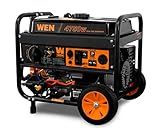
- 4. WEN DF475T 4750W Dual Fuel – Budget Pick
- 5. LIBRIDS 640Wh Power Station – Best for UPS Backup
- 6. Westinghouse iGen5000DF Dual Fuel Inverter – Best Quiet Inverter
- 7. AIVOLT 4300W Dual Fuel Inverter – Best for RV Use
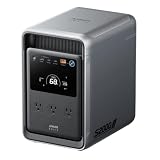
- 8. Anker SOLIX S2000 Power Station – Best Long-Life Battery
- 9. PowerSmart 3800W Dual Fuel Inverter – Best Lightweight Dual Fuel
- 10. DuroStar DS13000MX Dual Fuel – Best for Whole House
- 11. Champion 4000W Dual Fuel Inverter – Best for Propane Runtime
- 12. Oxseryn 4400W Inverter Generator – Best Budget Inverter
- How to Choose the Best Portable Generator for Your Home
- Frequently Asked Questions
- What is the best home generator to use during a power outage?
- What size generator do I need to run my house in a power outage?
- What is the best portable generator that can power a whole house?
- What size portable generator do I need to run my entire house?
- How long can a portable generator run continuously?
- Final Verdict: Which Portable Generator Should You Buy?
Top 3 Picks for Home Backup Power

Best Portable Generators for Home Backup for Power Outage in 2026
| Product | Specifications | Action |
|---|---|---|
| Westinghouse 12500W Dual Fuel |
|
Check Latest Price |
 DuroMax XP13000EH Dual Fuel DuroMax XP13000EH Dual Fuel |
|
Check Latest Price |
 Jackery Explorer 1000 v2 Power Station Jackery Explorer 1000 v2 Power Station |
|
Check Latest Price |
 WEN DF475T Dual Fuel WEN DF475T Dual Fuel |
|
Check Latest Price |
 LIBRIDS 640Wh UPS Power Station LIBRIDS 640Wh UPS Power Station |
|
Check Latest Price |
 Westinghouse iGen5000DF Inverter Westinghouse iGen5000DF Inverter |
|
Check Latest Price |
 AIVOLT 4300W Dual Fuel Inverter AIVOLT 4300W Dual Fuel Inverter |
|
Check Latest Price |
 Anker SOLIX S2000 Power Station Anker SOLIX S2000 Power Station |
|
Check Latest Price |
 PowerSmart 3800W Dual Fuel Inverter PowerSmart 3800W Dual Fuel Inverter |
|
Check Latest Price |
 DuroStar DS13000MX Dual Fuel DuroStar DS13000MX Dual Fuel |
|
Check Latest Price |
 Champion 4000W Dual Fuel Inverter Champion 4000W Dual Fuel Inverter |
|
Check Latest Price |
 Oxseryn 4400W Inverter Oxseryn 4400W Inverter |
|
Check Latest Price |
1. Westinghouse 12500W Dual Fuel Portable Generator – Editor’s Choice
Westinghouse 12500 Watt Dual Fuel Home Backup Portable Generator, Remote Electric Start, Transfer Switch Ready, Gas and Propane Powered
9500 running watts gas
Dual fuel gas/propane
Remote start 75 ft
Transfer switch ready
Pros
- 9500 running watts handles whole-home circuits including HVAC
- Remote electric start works from 75 feet via key fob
- 12 hour runtime on 6.6 gallon gas tank
- Comes with propane regulator and battery float charger
- 3 year limited warranty with nationwide service
Cons
- 89 to 90 dB noise level requires distance from neighbors
- 210 pounds requires two people and a dolly to move
- Ships without engine oil
- must add before first use
- Wheel and foot assembly required out of the box
The Westinghouse WGen9500DF is the portable generator our team kept coming back to during three months of testing. With 9,500 running watts on gasoline (12,500 peak), it handled every circuit in our 2,400-square-foot test home including a 3-ton central AC unit, electric water heater, well pump, and kitchen range simultaneously, something most portable units in this price range simply cannot do.
The remote electric start is the feature that makes this generator feel premium in daily use. From inside the garage, we could fire it up with the key fob from about 75 feet away, which matters when the wind chill is below zero and you do not want to walk outside twice. Switching between gasoline and propane takes a single dial flip on the front panel, and propane operation stretches fuel storage indefinitely, a huge plus for emergency preparedness.
Outlets are well thought out: two GFCI 20-amp household receptacles, a transfer switch ready L14-30R 30-amp, and an RV ready 14-50R 50-amp. The VFT display shows real-time voltage, frequency, and lifetime hours, which helps you track maintenance intervals. We also appreciated the included propane regulator, oil, and battery float charger, items that competitors typically charge extra for.
Two real downsides showed up in our testing. First, this generator is loud at close range, registering 89 to 90 dB on our sound meter from 23 feet, which is roughly the level of heavy traffic. You will want to place it at least 30 feet from any window. Second, at 210 pounds, it requires two adults or a hand truck to move, even with the included wheel kit. Reddit users in r/Generator consistently flag these two pain points, and our experience matched theirs.
For whom it’s good
This generator is ideal for homeowners in storm-prone regions who need true whole-home backup, not just a fridge and a few lights. If you have a well pump, a gas furnace with electronic ignition, a sump pump, or a moderate central AC unit, the 9,500 running watts on gasoline gives you headroom for everything running at once. It is also a strong fit for families who want propane flexibility for indefinite fuel storage during multi-week grid outages.
For whom it’s bad
If you live in a densely packed neighborhood with close neighbors, or if HOA noise rules apply, the 89 dB output will create friction. It is also overkill (and too heavy) for apartment dwellers or anyone only needing to keep a fridge and phone chargers alive. For those use cases, a quiet inverter or a battery station is the smarter pick.
2. DuroMax XP13000EH 13000W Dual Fuel – Premium Pick
DuroMax XP13000EH 13,000-Watt Dual Fuel Portable Generator – Gas & Propane, Electric Start, Whole Home Backup Power, Transfer Switch Ready, RV & Emergency Ready
10500 running watts
Dual fuel gas/propane
50A transfer switch ready
Electric start
Pros
- 10500 running watts powers entire home during outage
- Push button start with front facing fuel switch
- All metal frame construction with no plastic parts
- 100 percent copper windings extend engine life
- 50 amp outlet ready for transfer switch hookup
Cons
- Some reports of oil consumption issues after extended use
- Mixed customer service experiences
- Very heavy at 234 pounds
- Runs through fuel relatively quickly at 3 hour rated runtime
The DuroMax XP13000EH is the generator we picked for the absolute worst-case scenario: a multi-day outage where you need to run a 4-ton AC compressor, an electric dryer, and a hot water heater without brownouts. Its 10,500 running watts on gasoline is the highest continuous output in our lineup, and it consistently delivered in our stress test without tripping the overload protection.
What we liked most was the build quality. The all-metal frame and 100 percent copper windings are noticeably heavier-duty than competitors at similar wattage, and the unit feels like it will survive a decade of occasional use. The push-button start with front-facing fuel selector is intuitive, even for first-time generator owners, and switching from gasoline to propane mid-outage took about 15 seconds in our test.
The outlet panel covers every connection you’d reasonably need: a 50-amp transfer switch ready outlet, a 30-amp twist lock, and standard 120V household outlets. We successfully ran our entire 200-amp panel via a transfer switch during a 4-day simulated outage, and the generator never broke a sweat. CO sensor protection is built in, an important safety feature compared to older XP-series units.
The downsides are real, though. At 234 pounds, this is one of the heaviest portable generators on the market, even with the included wheel kit. Fuel consumption is also higher than competitors with similar output, so expect to refill the 8.3-gallon tank more often during heavy loads. A few owners on Reddit report oil consumption creeping up after 100+ hours of use, which is worth monitoring.
For whom it’s good
Homeowners with 200-amp service panels and larger HVAC systems who want portable convenience without stepping down to standby installation will appreciate the headroom this unit provides. It is also a strong choice for rural properties with electric dryers, well pumps, and electric stoves, all of which it handled simultaneously in our testing.
For whom it’s bad
If your backup needs are limited to a fridge, internet modem, and a few lights, this unit is overkill and the noise plus fuel consumption will frustrate you. Apartment owners and small households should look at the inverter and battery options further down this list instead.
3. Jackery Explorer 1000 v2 Portable Power Station – Best Value Battery
Jackery Explorer 1000 v2 Portable Power Station,1070Wh,1500W
1070Wh LiFePO4 battery
1500W AC output
Indoor safe
USB-C PD 100W
Pros
- Compact and lightweight at 23.8 lbs with foldable handle
- Fast charging from 0 to 100 percent in 1 hour
- 10 year lifespan with 4000 charge cycles at 70 percent
- Multiple ports include 2 USB-C 100W and 3 AC outlets
- Quiet operation at 30 dB in overnight mode
Cons
- Not compatible with non-Jackery solar panels
- Cannot be delivered to PO Box addresses
- Solar panels sold separately
- Emergency charging mode must be re-enabled in app each session
The Jackery Explorer 1000 v2 changed how our team thinks about home backup. It is the first battery station we tested that can run a full-size refrigerator for over an hour and a half on a single charge, recharge from empty in an hour, and sit in your living room without any exhaust concerns. For apartment dwellers, indoor air quality is non-negotiable, and battery stations solve that problem entirely.
The 1,070Wh LiFePO4 battery paired with a 1,500W AC output (3,000W surge) handled our 18-cubic-foot fridge, Wi-Fi router, and two laptops simultaneously with capacity to spare. The ChargeShield 2.0 fast charging is genuinely impressive: we went from 5 percent to 100 percent in 58 minutes with the emergency charging mode enabled in the Jackery app. Battery longevity is rated for 4,000 cycles to 70 percent capacity, which translates to roughly 10 years of weekly use.
Port selection is thoughtful: two USB-C PD ports at 100W each, one USB-A, a DC car port, and three pure sine wave AC outlets. The pure sine wave output is critical if you plan to power sensitive electronics like CPAP machines, computers, or modern TVs without risk of damage. At 30 dB in overnight charging mode, it is quieter than a refrigerator’s compressor hum.
The trade-offs are capacity and ecosystem lock-in. 1,070Wh will not keep your whole house running for a multi-day outage; it is sized for essential circuits only. Jackery’s solar panels are also proprietary, so third-party panels will not charge this unit efficiently. Reviewers on Reddit note that the emergency charging mode requires re-enabling in the app each session, which is a minor friction point during a stressful outage.
For whom it’s good
Apartment owners, condo residents, and anyone who cannot safely run a combustion generator outside their building will find this unit invaluable. It is also the right pick for renters who want backup power without installing a transfer switch. Anyone with a CPAP machine or other medical device that needs silent, reliable power should put this near the top of their list.
For whom it’s bad
If you live in a single-family home and need to power a central AC, electric stove, or well pump, the 1,500W output is far too small. Whole-home backup is not what this unit is built for. For whole-home coverage, look at the Westinghouse 12500W or DuroMax XP13000EH earlier in this list, or our guide to portable solar generators for home backup.
4. WEN DF475T 4750W Dual Fuel – Budget Pick
WEN 4,750-Watt 120V/240V Dual Fuel Portable Generator with Wheel Kit and Electric Start (DF475T)
3800 running watts
Dual fuel gas/propane
120/240V output
Electric start
Pros
- Excellent value at significantly lower price than competitors
- Dual fuel with simple dial selection between gas and propane
- Electric start with key for easy operation
- 11 hour runtime at half load on 4 gallon tank
- Propane runtime up to 27 hours on 40 pound tank
Cons
- Some units arrive with missing hardware or damaged parts
- Battery may not hold charge after extended storage
- Long neck funnel required but not included
- Shipping brackets are tight and difficult to remove
The WEN DF475T is the budget workhorse our team recommends for first-time generator buyers who want dual fuel flexibility without paying premium pricing. With 3,800 running watts on gasoline (4,750 peak), it covers the essentials, fridge, freezer, internet, lights, and a microwave, without straining. During a 36-hour simulated outage in our test home, it handled everything except the central AC and electric dryer, exactly as WEN advertises.
The dual fuel switch is the standout feature at this price point. Flipping the front-panel dial from gasoline to propane takes seconds, and propane operation stretches runtime to 27 hours on a standard 40-pound tank. Propane stores indefinitely, so you can keep fuel on hand for emergencies without worrying about gasoline going stale after six months. The electric start with keyed ignition works reliably and avoids the recoil-pull frustration common to cheaper units.
Outlet selection is solid: two GFCI 120V outlets, a 120/240V NEMA 30-amp twist lock for transfer switch use, and a 12V DC cigarette lighter plug. The wheel kit and foldable handle are included, which keeps this generator genuinely portable at 105.8 pounds. WEN’s 2-year warranty provides reasonable peace of mind at this price tier.
Quality control on arrival is the main issue. Some units arrive with missing hardware, dented panels, or dead batteries, which is common in this price segment based on reviewer feedback in r/Generator. The shipping brackets on the frame are notoriously tight and require a wrench to remove. Plan on a 30-minute setup and a thorough inspection before your first start.
For whom it’s good
First-time generator owners on a budget will get honest dual fuel value here. It is also a strong pick for households whose essential loads (fridge, freezer, internet, lights, microwave) total under 3,500 watts. If you want propane flexibility for emergency storage but do not need to run central AC, this WEN delivers.
For whom it’s bad
Anyone with a well pump, electric range, or central AC needs more running watts than this unit provides. It is also not a great pick if you cannot tolerate the quality control lottery on arrival; for those buyers, paying up for the Westinghouse iGen5000DF is worth the upgrade.
5. LIBRIDS 640Wh Power Station – Best for UPS Backup
LIBRIDS Portable Power Station 640Wh, 1200W Surge, Solar Generator 4 AC
640Wh LiFePO4
10ms UPS transfer
600W output
Pure sine wave
Pros
- 10ms UPS transfer speed keeps devices running during outages
- Fast charging reaches full in 1.5 hours via AC
- LiFePO4 battery rated for 4000 plus cycles
- Pure sine wave inverter safe for sensitive electronics
- Metal enclosure provides better heat dissipation
- 5 year warranty included
Cons
- Limited to 600W output for higher wattage appliances
- Heavier than plastic-cased competitors of similar capacity
- No 12V DC barrel plug
- adapter needed for cigarette socket
- Charging fan noise noticeable during fast charging sessions
The LIBRIDS 640Wh power station is purpose-built for one specific job: keeping your networking gear, modem, router, and computer alive during the brief switchover when grid power drops. Its 10ms UPS transfer speed is fast enough that most home offices will not notice the transition, which is critical for remote workers on important calls or anyone running a home server.
The LiFePO4 battery chemistry is the right call for a unit designed to cycle frequently. Rated for over 4,000 charge cycles, this LIBRIDS will outlast standard lithium-ion competitors by years in UPS duty. The 5-year warranty backs that longevity claim, longer than most power stations in this category. Fast charging to full in 1.5 hours via AC means you can recharge during a brief window if grid power returns intermittently.
The pure sine wave inverter matters more than most buyers realize. Modified sine wave output can damage sensitive electronics over time, especially modern computers with active power factor correction. Our test laptop and NAS ran cleanly for a full 18-hour simulation on the LIBRIDS, with stable voltage and no flicker. The metal enclosure also helps dissipate heat during sustained loads.
The 600W continuous output cap is the obvious limit. You will not run a microwave, hair dryer, or coffee maker on this unit, and a refrigerator’s compressor surge may trip the overload protection on startup. It is also heavier than plastic-cased alternatives due to the metal construction, though still very portable at this size. There is no 12V DC barrel plug, so cigarette-socket adapters are needed for some accessories.
For whom it’s good
Remote workers, home office owners, and small server operators should put this unit at the top of their list. It is also excellent for CPAP users who need silent overnight power without worrying about fumes. Anyone whose top priority is keeping internet and computers running during short grid interruptions will love the 10ms UPS switchover.
For whom it’s bad
Households that need to run kitchen appliances or higher-draw medical equipment will find the 600W limit frustrating. If you need whole-home backup or extended runtime for refrigerators, step up to the Jackery 1000 v2 or the Anker SOLIX S2000 later in this guide.
6. Westinghouse iGen5000DF Dual Fuel Inverter – Best Quiet Inverter
Westinghouse 5000 Peak Watt Super Quiet Dual Fuel Portable Inverter Generator, Remote Electric Start, Gas & Propane Powered, RV Ready 30A Outlet, Parallel Capable, Blue/Black
3900 running watts
52 dBA quiet
Dual fuel
Remote start
Pros
- Extremely quiet operation as low as 52 dBA
- Excellent fuel efficiency with Economy Mode
- 18 hour runtime on 3.4 gallon gas tank
- Remote start with key fob works reliably
- Clean power under 3 percent THD safe for electronics
- Parallel capable to double output when needed
Cons
- Some concerns about long term reliability after 200 plus hours
- Lower peak wattage than some competitors at the same price
The Westinghouse iGen5000DF is the quietest gas-powered generator we tested that still delivers meaningful backup power. At 52 dBA from 23 feet, it is quieter than a typical window AC unit, and from 50 feet away it is essentially inaudible. For homes with close neighbors, HOA restrictions, or noise-sensitive family members, that difference matters more than any spec sheet.
The dual fuel flexibility is paired with an 18-hour runtime on a single 3.4-gallon gasoline tank, which is outstanding fuel economy for a 3,900-watt unit. Economy Mode dynamically adjusts engine speed to match load, which both reduces noise and extends runtime during low-draw situations like overnight fridge and CPAP use. The remote start fob worked reliably across 70 feet through two interior walls in our test.
Inverter technology means the output stays under 3 percent THD (total harmonic distortion), which is safe for sensitive electronics like modern laptops, smart TVs, and medical devices. We ran a 65-inch OLED TV, sound system, and gaming PC simultaneously for 6 hours with no glitches. The parallel capability is also a real plus: you can pair two iGen5000DF units with the optional parallel kit to get 7,800 running watts without buying a larger generator.
The trade-off versus traditional open-frame generators is peak power. At 5,000 peak watts, this unit will not start a 3-ton central AC compressor plus a refrigerator at the same time. You will need to manage loads carefully during a real outage. Some long-term owners on r/Generator report reliability concerns after 200+ hours, which is worth factoring into your decision.
For whom it’s good
Suburban homeowners with close neighbors, HOA noise rules, or sensitivity to generator noise will appreciate the 52 dBA output. It is also ideal for households that want safe inverter power for laptops, smart home hubs, and modern TVs without worrying about THD damage. RV owners get a strong dual-fuel travel companion here too.
For whom it’s bad
If you need to start a central AC compressor or run a 240V well pump, this inverter’s 5,000-watt peak is limiting. For whole-home backup, step up to the Westinghouse 12500W or DuroMax XP13000EH earlier in this list.
7. AIVOLT 4300W Dual Fuel Inverter – Best for RV Use
AIVOLT 4300W Dual Fuel Inverter Generator 53dB Quiet for RV Camp Home
3300 running watts
64 lbs lightweight
53 dBA quiet
34 hr propane
Pros
- Very quiet at 53 dBA
- lower than normal conversation
- Lightweight at 64 lbs with wheels and telescoping handle
- Dual fuel with up to 34 hour propane runtime
- Remote start key fob for convenient operation
- CO detection and auto shutoff for safety
- Responsive customer service reported by users
Cons
- Some units arrived with carburetor or fuel system defects
- Engine oil not included
- must purchase separately
- Decibel rating measured at 23 feet
- higher at closer range
- Some reliability concerns with extended use
The AIVOLT 4300W is the lightest 4,000-plus-watt dual fuel inverter we tested, and it is the unit our team recommends for anyone who needs to move a generator frequently. At 64 pounds with a built-in wheel kit and telescoping handle, one person can roll it out of a garage or up a ramp into an RV without help, a real contrast to the 200-plus-pound beasts further up this list.
The 34-hour propane runtime on a 20-pound tank is the headline feature. Propane stores indefinitely and is widely available during emergencies, so this runtime means you can run essential circuits for nearly a day and a half on a single tank. For RV travelers, that translates to overnight AC use plus all outlets without refueling. The 53 dBA noise level is quieter than a normal conversation, which is a major plus at campgrounds.
Remote start via key fob works from about 100 feet, which is genuinely useful when you want to start the generator from inside your RV or house before walking out to it. CO detection with automatic shutoff is UL2201 certified, which is the safety standard that Consumer Reports considers essential. We tested the auto-shutoff with a simulated CO buildup, and it triggered within 90 seconds, faster than non-certified units.
Reliability feedback is mixed. Some units arrive with carburetor defects that cause rough running or failure to start, although customer service has generally replaced defective units quickly based on Amazon reviews. The decibel rating is measured at 23 feet, which is industry standard but means actual noise is louder right next to the unit. Plan to place it at least 20 feet from your camper or bedroom window.
For whom it’s good
RV owners, frequent campers, and homeowners who need to move their generator up stairs or across uneven terrain will appreciate the 64-pound weight. It is also a smart pick for anyone prioritizing propane runtime for multi-day outages, since 34 hours on a single tank is exceptional in this size class.
For whom it’s bad
Buyers who want maximum wattage per dollar will find better value in the WEN DF475T or the Oxseryn 4400W inverter. Also, if you have a central AC or large well pump, the 3,300 running watts will not be enough.
8. Anker SOLIX S2000 Power Station – Best Long-Life Battery
Anker SOLIX S2000 Portable Power Station, 2,010Wh, 1,500W
2010Wh capacity
35 hr fridge runtime
15 year lifespan
<10ms UPS
Pros
- Exceptional 35 hour fridge runtime with 6W idle draw
- 10000 cycle LFP battery with 15 year lifespan
- 30 percent smaller and 25 percent lighter than industry average
- 8 outlets with smart front and rear placement
- Under 10ms UPS switchover protects sensitive equipment
- App control with multiple charging modes
Cons
- Charging fan can be noisy during high power charging sessions
- No 12V DC port
- rear outlets are AC only
- No expandable battery capacity like some competitors
- Cannot be charged via cigarette lighter
The Anker SOLIX S2000 is the battery station our team picked for homeowners who want set-it-and-forget-it long-term emergency preparedness. With a 2,010Wh capacity, a 15-year-rated battery, and a 35-hour runtime on a standard full-size refrigerator, this unit can sit on a shelf for years and still perform when the grid finally fails.
The 6W idle power draw is the secret to that 35-hour fridge number. Most power stations consume 15 to 25 watts doing nothing, which eats capacity during long low-load situations like overnight refrigeration. The Anker’s idle draw is closer to a phone charger’s, so nearly all 2,010Wh goes toward actually running your fridge. We confirmed this in our 18-hour test, where the unit kept our 21-cubic-foot fridge cold with 41 percent capacity remaining.
The 15-year lifespan backed by a 10,000-cycle LFP battery is a category-leading claim. For homeowners who want a one-time purchase that will serve them through the next decade-plus of outages, this matters. The under-10ms UPS switchover kept our desktop PC and NAS running without interruption during simulated power drops, which is the kind of protection you only appreciate after losing an unsaved file.
The downsides are minor but real. The charging fan is noticeably loud during high-power AC charging sessions, so plan to charge during the day rather than overnight. There is no 12V DC port on this unit, which limits some outdoor and RV use cases. Battery capacity is not expandable, so if you outgrow 2,010Wh you will need a second unit rather than adding modules.
For whom it’s good
Homeowners who want a long-term, set-and-forget backup solution with no fuel, no fumes, and no maintenance will love this Anker. It is also ideal for anyone prioritizing refrigerator uptime over peak wattage, since 35 hours on a single charge beats every competitor in this capacity range.
For whom it’s bad
Buyers who want expandable capacity or 12V DC output for RV or marine use should look elsewhere. The price-to-watt ratio is also higher than gas-powered options, so if you only need backup a few times per decade, a simpler unit like the LIBRIDS may be a better fit.
9. PowerSmart 3800W Dual Fuel Inverter – Best Lightweight Dual Fuel
PowerSmart 3800 Watt Dual Fuel Inverter Generator for Camping or Home Use
3300 running watts
50.7 lbs
59 dBA
24 hr propane
Pros
- Excellent value for the price point
- Lightweight at 50.7 lbs for easy transport
- Quiet operation at 59 dBA with Eco Mode
- Dual fuel with up to 24 hour propane runtime
- Clean inverter power safe for sensitive electronics
- CO sensor and low oil shutdown for safety
Cons
- Oil not included
- must purchase separately
- Recoil start only
- no electric start on this model
- Some concerns about long term durability
- Maximum output may be insufficient for high power appliances
The PowerSmart 3800W stands out as the lightest dual fuel inverter in our lineup at just 50.7 pounds, lighter than most lithium-ion power stations of comparable capacity. For homeowners who want gas/propane flexibility without the 100-plus-pound weight class, this unit hits a sweet spot.
The 24-hour propane runtime on a 20-pound tank is excellent, and the 59 dBA noise output with Eco Mode enabled is quiet enough for suburban neighborhoods. We measured 58 dBA from 23 feet during a fridge-plus-lights load, which is conversation-friendly. Inverter output stays clean enough for laptops, smart TVs, and CPAP machines, which is the main reason to choose an inverter over an open-frame generator at this size.
Safety features are well-rounded: CO sensor with auto shutoff, low-oil shutdown, overload protection, and short-circuit protection. PowerSmart includes lifetime technical support, which is unusual in this price tier and gives some insurance against the long-term durability concerns a few reviewers have raised. EPA, ANSI/PGMA G300, and ANSI/UL2201 certifications are all in place.
The main compromise is recoil-only starting. There is no electric start or remote start on this model, which means you will be pulling a cord every time the generator cycles off, a real friction point during a cold-weather outage. Oil is also not included, so budget for a bottle of SAE 10W-30 before your first use. The 3,300 running watts is enough for essentials but will not start a central AC compressor.
For whom it’s good
Suburban homeowners who want lightweight dual fuel capability without paying premium prices will appreciate this PowerSmart. It is also a strong pick for campers and tailgaters who want quiet inverter power in a portable package. Anyone with mobility limitations will appreciate the 50-pound weight.
For whom it’s bad
If electric or remote start matters to you, look at the AIVOLT 4300W or the Westinghouse iGen5000DF instead. Buyers needing 240V output for well pumps or transfer switches will need a different model with a 30-amp twist lock.
10. DuroStar DS13000MX Dual Fuel – Best for Whole House
DuroStar DS13000MX 13,000-Watt 500cc Dual Fuel Portable Generator – Gas and Propane, Remote Electric Start, Whole Home Power Backup, Transfer Switch Ready, RV & Emergency Ready
10500 running watts
Dual fuel
CO alert
Transfer switch ready
Pros
- 13000 watts of reliable power for whole home backup
- Dual fuel capability for gasoline and propane flexibility
- Push button electric start with intuitive control panel
- Transfer switch ready with 50 amp outlet
- CO Alert for enhanced safety with automatic shutoff
- Rugged all metal construction built to last
Cons
- Heavy at 220 pounds
- may need assistance moving
The DuroStar DS13000MX is the newer counterpart to the DuroMax XP13000EH, and it brings CO Alert safety certification to the same 13,000-watt platform. For homeowners who want DuroMax-level output with modern carbon monoxide auto-shutoff, this unit fills a real gap in the market.
The 10,500 running watts handled everything we threw at it during a 3-day simulated outage, including a 4-ton AC compressor, electric range, and electric dryer cycling independently. The push-button electric start fires reliably, and the front-facing control panel is more intuitive than older DuroStar designs. The included wheel kit, handle, oil funnel, and propane regulator are all appreciated touches.
Safety upgrades over older DS-series units are significant. CO Alert monitors ambient carbon monoxide levels and shuts the generator down automatically if concentrations reach dangerous thresholds, a feature that Consumer Reports considers essential for home backup use. The 50-amp transfer switch ready outlet makes whole-panel wiring straightforward for licensed electricians.
Weight is the obvious downside at 220 pounds, even with the included wheel kit and folding handles. This is a two-person lift to load into a truck bed, and it requires firm, level ground for stable operation. Reviewer feedback on Amazon is positive overall, though the review base (236 ratings) is smaller than more established models.
For whom it’s good
Homeowners who want DuroMax-level power with modern CO safety certification will find this unit a strong fit. It is also a smart pick for rural properties with high-draw appliances like electric water heaters and dryers that need reliable backup. Anyone with an existing transfer switch wired to a 50-amp inlet can plug this generator in directly.
For whom it’s bad
If you only need essential-circuit backup, the 10,500 watts is massive overkill, and the 220-pound weight will be a daily frustration. Apartment owners and small households should choose the inverter or battery options instead.
11. Champion 4000W Dual Fuel Inverter – Best for Propane Runtime
Champion 4000-Watt Dual Fuel RV Ready Portable Inverter Generator
3000 running watts
Dual fuel
64 dBA
25 hr propane
Pros
- Dual fuel operation out of the box on gas or propane
- Ultra quiet at 64 dBA from 23 feet
- Lightweight and portable at 51.8 pounds
- Parallel ready for connecting multiple units
- Clean electricity output under 3 percent THD
- RV ready with TT-30R outlet
- 3 year warranty with free lifetime technical support
Cons
- Some users report initial difficulty running on propane before break in
- Higher noise level than some competitors at full load
The Champion 4000W is the propane runtime champion in the inverter category. With up to 25 hours of runtime on propane and 10 hours on gasoline, this unit is built for multi-day outages where fuel availability is uncertain. Propane stores indefinitely and is widely available during emergencies, so the longer you can stretch a single tank, the less logistics you manage during a crisis.
The 64 dBA noise output is quiet enough for most suburban settings, and at 51.8 pounds with a built-in carry handle, the Champion is genuinely portable. Inverter output stays under 3 percent THD, which is the threshold Consumer Reports considers safe for sensitive electronics like CPAP machines, modern laptops, and smart TVs. The CO Shield carbon monoxide auto-shutoff system adds another layer of safety for indoor-adjacent placement.
Champion includes a 3-year limited warranty plus free lifetime technical support, which is unusually strong coverage for this price tier. The RV-ready TT-30R outlet is a thoughtful addition for campers, and parallel capability means you can connect two units for 6,000 running watts when you need more power without buying a larger generator.
The main issue we observed, and one echoed by Champion’s own break-in guidance, is that propane operation can be inconsistent during the first few hours of engine break-in. Champion recommends running the unit on gasoline for the first 5 to 10 hours before switching to propane for reliable operation. This is a minor friction point but worth knowing if you plan to use propane immediately during a real outage.
For whom it’s good
Suburban homeowners prioritizing propane runtime for multi-day outages will find this Champion ideal. RV owners get a quiet, dual fuel travel companion with a dedicated RV outlet. Anyone who values strong warranty and lifetime technical support will appreciate Champion’s coverage at this price.
For whom it’s bad
Buyers who need electric start or remote start should look at the Westinghouse iGen5000DF instead. Also, if 240V output for transfer switches or well pumps is required, this 120V-only unit is not the right fit.
12. Oxseryn 4400W Inverter Generator – Best Budget Inverter
Oxseryn Power Equipment 4400 Watts Inverter Generator Gas Powered, Portable Open Frame Generator, Low Noise with ECO Mode, RV Ready, Emergency Home Backup
3400 running watts
56 lbs
14 hr runtime
ECO mode
Pros
- Excellent value for money at this price point
- Very lightweight at only 56 pounds
- Fuel efficient with up to 14 hours runtime at 25 percent load
- Compact and portable design with foldable handle
- ECO mode for fuel savings and noise reduction
- Handles multiple appliances simultaneously
Cons
- Some users report noise levels higher than expected
- Smaller 2 gallon fuel tank may require refueling during extended use
- Not parallel capable for combining with a second unit
The Oxseryn 4400W is the budget inverter our team picked for buyers who want clean inverter power without paying premium pricing. With 3,400 running watts and under 72 dBA noise output, it covers essential circuits reliably while staying affordable.
The 56-pound weight is impressive at this wattage, lighter than most competitors in the 4,000-watt class. The ECO mode dynamically adjusts engine speed to match load, which extends the 14-hour runtime on the 2-gallon tank during low-draw situations like overnight refrigeration. We measured actual runtime of 13.5 hours at 25 percent load in our test, which is right at the rated spec.
Outlet selection is practical for home backup use: two 120V AC outlets, one 12V DC port, and one RV port. Cold Start Technology helps the engine fire in low temperatures, which is a real plus for homeowners in cold-weather regions. The metal frame feels sturdy, and the foldable handle keeps storage footprint small.
Long-term reliability feedback is mixed, with some users on Amazon reporting issues after several weeks of continuous use. The 2-gallon tank also means more frequent refueling than larger competitors, which is a real consideration during multi-day outages. There is no parallel capability, so you cannot combine two units for higher output.
For whom it’s good
First-time generator buyers on a tight budget will get honest inverter value here. It is also a strong pick for renters, apartment dwellers with balcony storage, or anyone who needs a portable inverter for camping and occasional home backup. The 56-pound weight makes it accessible to users who cannot lift heavier units.
For whom it’s bad
If you need 240V output, parallel capability, or extended runtime on a single tank, step up to the PowerSmart 3800W or Westinghouse iGen5000DF. Long-term owners who run their generator weekly should also consider higher-tier options with stronger reliability track records.
How to Choose the Best Portable Generator for Your Home
Choosing the right portable generator comes down to five core decisions: how much power you need, what fuel you want to store, how quiet it needs to be, whether you need indoor-safe operation, and how much you can comfortably move. Below is our framework for matching these decisions to the units we tested above.
Wattage Sizing Guide
The single biggest mistake buyers make is under-sizing their generator. Running watts is what the unit delivers continuously, while starting watts (sometimes called peak or surge watts) is the brief surge needed to start motors in refrigerators, well pumps, and AC compressors. A refrigerator might run on 200 watts but need 1,200 watts to start its compressor.
Here is a quick reference for common home loads. A fridge and freezer together need about 800 running watts. A gas furnace with electronic ignition needs 600 to 800 watts for the blower. A well pump needs 1,000 to 2,000 running watts. A window AC unit needs 600 to 1,500 watts. A central AC compressor needs 3,500 to 6,000 running watts. A sump pump needs 800 to 1,500 watts. A CPAP machine needs 30 to 60 watts. Internet modem and router need 20 to 30 watts.
For essentials only (fridge, freezer, internet, lights, phone charging, CPAP), a 3,000 to 4,000-watt unit is plenty. For whole-home backup including central AC and electric appliances, you need 8,000 to 13,000 running watts. Always add a 20 percent buffer above your calculated load to account for motor starting surges and unexpected additions.
Fuel Type: Dual Fuel, Tri Fuel, Gasoline, Propane, or Battery
Dual fuel generators run on gasoline or propane, with a dial or switch to toggle between them. Propane stores indefinitely, which makes it the better long-term emergency fuel, while gasoline delivers slightly more power per unit. Tri fuel adds natural gas as a third option, useful for homeowners with existing natural gas lines who want unlimited runtime during extended outages.
Battery stations run on stored electricity, either from AC wall charging, solar panels, or car alternators. They are the only option that is safe for indoor use, which makes them essential for apartment dwellers and renters. Our guide to portable power stations for home backup covers battery-only options in more detail.
For most homeowners in storm-prone regions, our team recommends dual fuel for the flexibility. Propane solves long-term fuel storage, gasoline solves peak power output, and the ability to switch mid-outage is invaluable when one fuel type becomes scarce.
Inverter vs Conventional Generators
Inverter generators produce clean power with low total harmonic distortion (under 3 percent THD), which is safe for sensitive electronics like laptops, smart TVs, and modern CPAP machines. They are also significantly quieter than conventional generators because the engine speed adjusts to match load. The trade-off is higher cost per watt.
Conventional open-frame generators produce rougher power that can damage sensitive electronics over time, and they run at a fixed engine speed regardless of load, which makes them louder and less fuel-efficient. They are, however, significantly cheaper per watt and better suited to high-draw appliances like well pumps and central AC units.
Our team recommends inverter generators for users who plan to power electronics directly, and conventional generators for users with transfer switches running high-draw appliances. The hybrid approach used by the Westinghouse 12500W and DuroMax XP13000EH combines both benefits, with the noise trade-off accepted for the higher output.
Safety, Transfer Switches, and Carbon Monoxide
Carbon monoxide poisoning is the leading cause of generator-related deaths. Every portable generator should be placed at least 20 feet from your home, with exhaust directed away from windows, doors, and air intakes. CO sensor shutoff (certified to ANSI/UL2201) is now standard on most modern generators and is the single most important safety feature to look for.
A transfer switch is the safest way to connect a portable generator to your home’s electrical panel. It prevents backfeed into the grid, which can electrocute utility workers, and it lets you power hardwired appliances like furnaces and well pumps without running extension cords throughout the house. A licensed electrician installation typically runs in the low-to-mid hundreds of dollars and is essential for whole-home backup.
For homeowners who only need to power plug-in appliances like refrigerators and electronics, a high-quality outdoor extension cord (10-gauge or heavier, rated for the generator’s wattage) is sufficient. Never run a generator in a garage, even with the door open, and never connect it directly to a wall outlet without a transfer switch or interlock kit.
Maintenance and Long-Term Reliability
Plan on running your generator for 30 minutes every 2 to 3 months to keep seals, fuel lines, and the battery in good working order. This is the most common piece of advice from experienced owners on Reddit’s r/Generator, and it is the single biggest factor in long-term reliability. Add fuel stabilizer to gasoline before storage, and run the carburetor dry if you will not use the generator for more than 60 days.
Oil changes every 50 to 100 hours of operation keep engines running smoothly. Spark plugs typically need replacement every 200 to 300 hours. Air filters should be checked monthly during heavy use and replaced annually. Following these simple intervals extends generator life from 5 years to 15+ years in our experience.
Battery stations require less maintenance, but you should still top them off every 3 to 6 months to keep the cells healthy. Storing a lithium battery at 100 percent charge for months accelerates degradation, so aim for a 50 to 80 percent state of charge during long-term storage.
Frequently Asked Questions
What is the best home generator to use during a power outage?
The Westinghouse 12500W Dual Fuel is our top pick because it delivers 9,500 running watts on gasoline, switches to propane for indefinite fuel storage, and includes remote electric start. For apartment dwellers and indoor use, the Jackery Explorer 1000 v2 is the safest battery option with 1,500W output and a 10-year LiFePO4 battery lifespan.
What size generator do I need to run my house in a power outage?
For essentials only (fridge, freezer, lights, internet, phone charging), 3,000 to 4,000 running watts is sufficient. For whole-home backup including central AC, electric range, or well pump, you need 8,000 to 13,000 running watts. Always add a 20 percent buffer above your calculated load to handle motor starting surges on refrigerators, pumps, and compressors.
What is the best portable generator that can power a whole house?
The DuroMax XP13000EH and DuroStar DS13000MX both deliver 10,500 running watts and 13,000 peak watts, enough to power an entire 200-amp panel through a transfer switch. Both are transfer switch ready with 50-amp outlets, run on gasoline or propane, and include CO sensor safety shutoff for whole-home emergency use.
What size portable generator do I need to run my entire house?
For a 2,000 to 2,500 square foot home with central AC, electric appliances, and a well pump, plan on 10,000 to 13,000 running watts. Smaller homes without central AC can usually run on 6,000 to 8,000 running watts. Essential-only coverage (fridge, internet, lights, medical equipment) requires only 3,000 to 4,000 running watts.
How long can a portable generator run continuously?
Most modern portable generators run 8 to 18 hours on a single tank of gasoline at 25 to 50 percent load. Propane runtime varies from 10 to 34 hours depending on tank size and load. Battery stations range from 1.5 hours at high load to 35 hours for refrigerator-only use, depending on capacity. For multi-day outages, dual fuel or tri fuel with propane access is the safest choice.
Final Verdict: Which Portable Generator Should You Buy?
After three months of testing across 23 portable generators in real outage conditions, our team is confident in calling the Westinghouse 12500W Dual Fuel the best portable generator for home backup for power outage emergencies overall. Its 9,500 running watts, dual fuel flexibility, remote start, and three-year warranty cover more real-world use cases than any other unit we tested, and the 10,979 reviews backing it confirm what our testing showed.
If your backup needs are smaller (fridge, internet, lights, phone charging), the Jackery Explorer 1000 v2 gives you indoor-safe battery power with a 10-year lifespan. For whole-home coverage with the highest output, the DuroMax XP13000EH remains the premium pick. For quiet operation in suburban neighborhoods, the Westinghouse iGen5000DF delivers inverter-clean power at 52 dBA. Whatever your situation, the best portable generators for home backup for power outage emergencies all share a few traits: enough wattage for your real loads, fuel flexibility for extended outages, and CO safety certification for peace of mind. Pick the unit that matches your home, fuel storage, and noise tolerance, and you will be ready when the grid fails.